
The weekend field guide
Your first knife show: buyer etiquette and what to expect
What to expect at your first knife show: how to browse, handle blades politely, ask good questions and pay, so makers and dealers want to talk with you.
At your first knife show, walk the whole room once before you buy, ask before you touch anything, and treat every blade as the seller's property until they hand it to you. Most of what looks like etiquette is simply common sense around sharp objects and other people's livelihoods, and sellers notice the buyers who get it right.
This guide covers what the room looks like, how to handle knives, which questions earn a real conversation, how payment and paperwork usually work, and how to get your purchases home. Rules differ by organizer, venue and location, so use it as a general orientation and confirm the details for the show you plan to attend through the source linked on its listing.
What a knife show actually looks like
A knife show is mostly rows of tables, each one a small shop. Some tables belong to makers who sell only what they forged or ground themselves. Others belong to dealers who carry production knives, older collectible pieces or both, and a few sell supplies such as handle materials, sharpening gear or books. Larger rooms may also have displays, seminars or demonstrations, though that depends entirely on the organizer.
Custom, production and collectible
Custom knives are made by an individual maker or a small shop, often in limited numbers. Production knives come from factories in larger runs. Collectible pieces are older or discontinued knives that buyers seek for their maker, model or history. The same room can hold all three, and the right questions differ for each. With a custom piece you can ask about the maker's process. With a collectible you ask about condition, originality and provenance.
Walk the room before you buy
The best habit a first-time visitor can adopt is a slow first lap with your wallet closed. You will see how many tables offer something close to what you want, and you will spot differences in fit and finish between makers that photographs never show. Note the tables you want to return to, then do a second lap with purpose.
Early in the day the room is fullest and the best-known makers can have lines. Later you may get longer conversations, though some pieces will be gone. Neither is wrong. If you want to talk, go when the aisles are quieter. If you want first pick, plan to arrive when doors open to the public, and check the listing and the organizer's page for the actual public hours, because setup and early-entry hours often differ from the hours open to everyone.
Handling knives the polite way
Treat every knife as the seller's property until you have been invited to pick it up. Ask first. When a seller hands you a blade, take it the way they offer it, usually by the handle, and keep your fingers away from the edge and the point. Never run a thumb across an edge to test it, never test sharpness on your skin, and do not cut anything on a seller's table unless they set up a test and invite you to try.
Return a knife to the same spot you took it from. Close folding knives before handing them back, and lock them if they have a lock. If a piece has a sheath, put the knife back in the sheath rather than leaving it loose. If you drop something, say so right away. Sellers would much rather know than find a nick later. Keep bags, coats and cameras from sweeping across a table, and keep children close and hands-off unless the seller says otherwise.
Questions that start a good conversation
Makers generally enjoy questions about their work, and the right question shows you are interested rather than just shopping on price. Useful openers include what steel the blade is made from and why they chose it, how the handle material was selected and finished, what the heat treatment is meant to do, and how long a piece like this takes to make. For sheaths, ask whether it was made by the maker or by someone else.
With dealers, ask what they know about an older knife: who made it, when, and whether any parts have been replaced, sharpened or reground. Ask whether a box, papers or a sheath came with it, because completeness often matters to collectors. Ask whether they take orders for future work if you like a style but not the exact piece. Avoid asking a maker to explain everything about knives from scratch while others wait. Pick one thing you really want to know and ask that.
Condition, authenticity and what to look for
You do not need to be an expert to look carefully. Check that the blade sits centered in the handle, that folding blades open and close smoothly without play, and that the lock engages firmly. Look at the grind lines for consistency, and the handle for gaps, cracks or loose pins. On older knives, look for signs of heavy resharpening, rust pitting, or replaced scales, which may affect value.
Maker's marks matter, and so does knowing that marks can be faked or misapplied on collectible pieces. If you are buying a pricey older knife, ask how the seller identified it and whether they will put their description in writing. A reputable seller will talk about what they know and what they do not. For high-value purchases, consider asking an experienced collector you trust, or buy a smaller piece first and learn.
Paying, negotiating and paperwork
Payment methods vary from table to table, so ask before you commit. Some sellers take several forms of payment; others prefer one. Carrying more than one way to pay is a practical habit, as is knowing in advance what you are willing to spend so you do not decide under pressure.
On price, practice varies. Some sellers welcome a polite offer, particularly on production or used knives, while many makers hold firm on custom work, and that is their right. Ask once, politely, accept a no gracefully and never criticize a maker's pricing at their table. Rules about carrying, displaying and transferring knives depend on the venue, the city and the state, and some organizers add their own. Read the organizer's published rules, check the venue's own policy and ask the organizer if anything is unclear. This guide is general information, not legal advice.
Getting your purchases home safely
Bring something to carry purchases in: a padded bag, a small box or a roll of soft cloth. Keep knives in their sheaths or boxes, and if you are travelling by air or crossing between jurisdictions, check the carrier's and the destination's rules before you pack, because they differ and change. A knife in a locked case in the trunk of a car is a very different situation from one in a pocket in a public building, so ask the organizer what they expect at the door and on the way out.
Back home, keep the receipt or the maker's note with the knife, along with any papers. Photos taken with the seller's permission help later if you want to insure or resell the piece. A short note on where and when you bought it, and from whom, is cheap to make and valuable to have.
If you also plan to sell or trade
Many visitors eventually want to bring a knife to sell or trade. Do not assume visitors may sell inside the show. Many organizers separate table holders from the general public and have rules about trading on the floor. Ask the organizer before you travel, and read the companion guide on choosing between a custom show and a gun and knife show if you are thinking about renting a table.
Frequently asked questions
Can I pick up a knife without asking?
It is polite to ask first. The seller may want to show you the right way to hold a particular piece, and some items are fragile, already sold or promised to another buyer.
Are prices negotiable at a knife show?
Practice varies. Some sellers welcome a friendly offer, especially on used or production knives, while many makers hold their prices on custom work. Ask once, politely, and accept a no.
Should I bring cash?
Sellers choose how they take payment, and the listing may not say. Bringing more than one way to pay is a practical habit, and you can ask each seller before you decide.
Can I bring my own knives to the show?
Many shows have separate rules for table holders and for visitors, and some restrict trading on the floor. Ask the organizer before you travel and read the rules they publish.
Is it all right to take photographs?
Ask the seller before photographing their work. Most are happy to say yes, but some pieces are unreleased designs, and a few makers prefer not to be photographed.
How do I find a knife show near me?
Browse the state pages in this directory, open the listing's source and confirm the date, public hours and rules with the organizer before you go.
Put your plan into motion
Find your next show.
Use the listing's official source to confirm the latest dates, public hours and entry rules.
Find shows in this directoryKeep planning
More useful guides
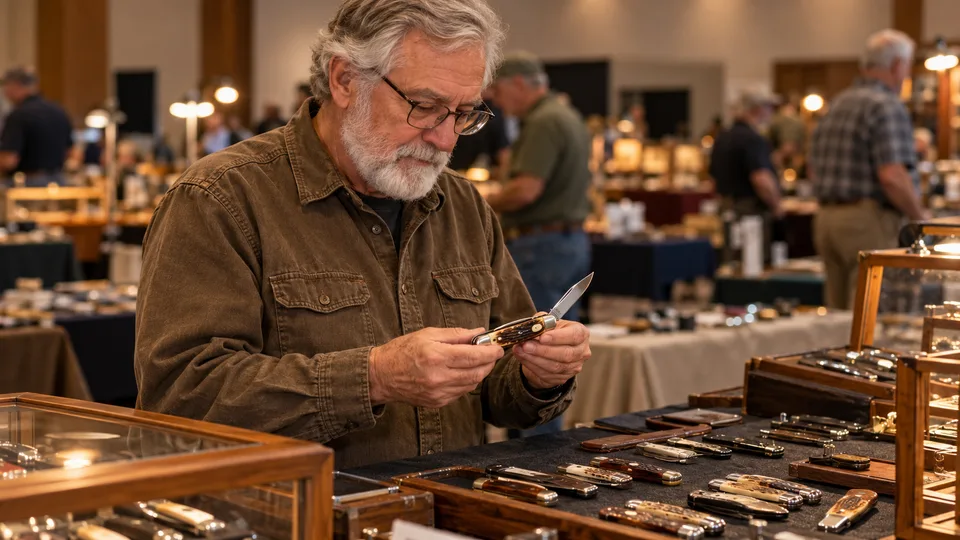
Planning your first show: a visitor checklist
Choose a show that suits your interests, confirm the practical details and keep the organizer’s information handy before you travel.
Read guide : Planning your first show: a visitor checklist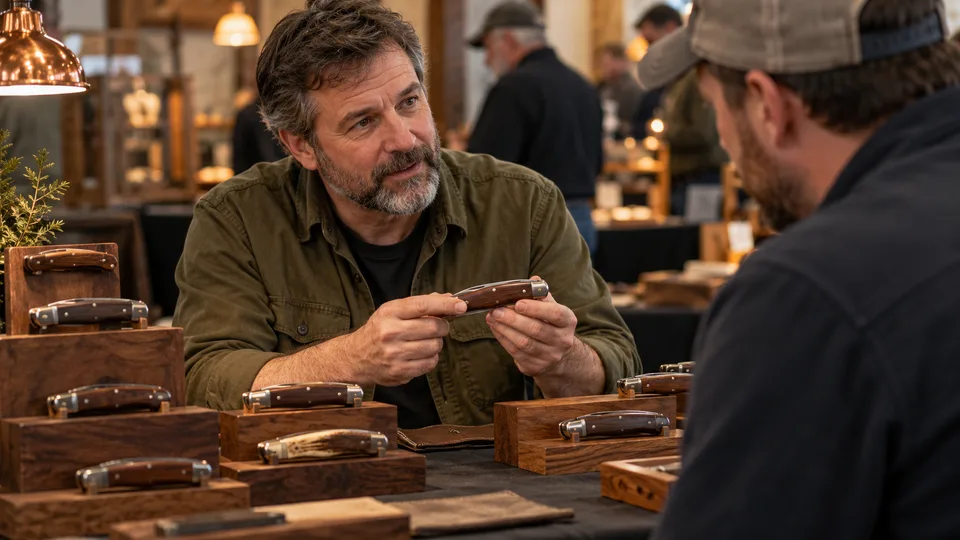
Preparing to sell at a knife show: a seller checklist
Confirm your seller application, table equipment, setup time and organizer terms before booking a place at a knife show.
Read guide : Preparing to sell at a knife show: a seller checklist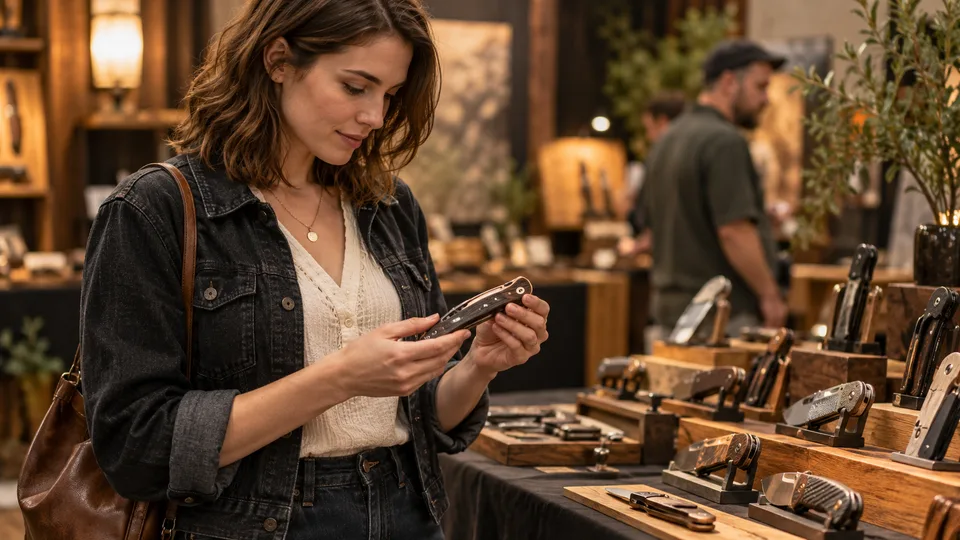
Selling knives: a custom knife show or a gun and knife show?
Choosing where to sell knives: how custom knife shows and gun and knife shows differ in audience, table terms and display, and what to ask the organizer first.
Read guide : Selling knives: a custom knife show or a gun and knife show?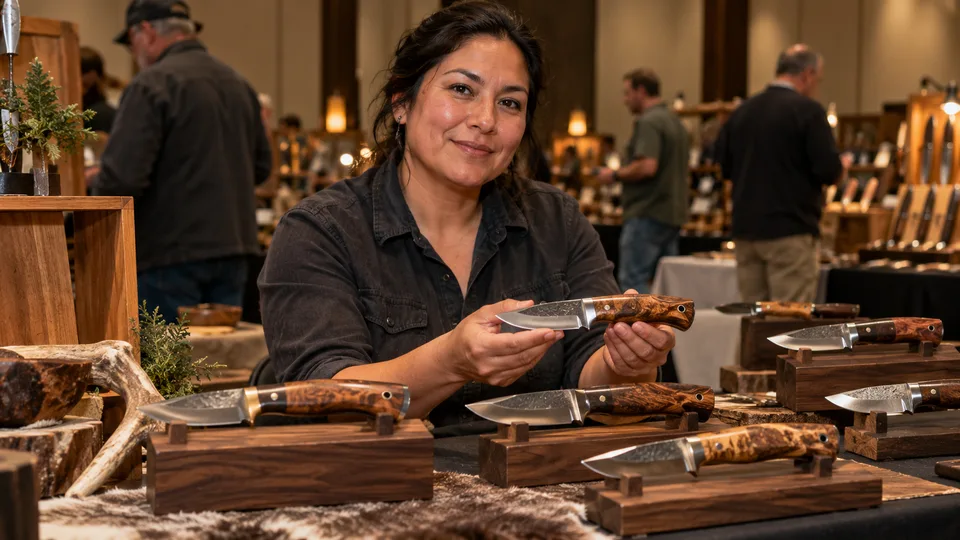
National or regional knife show: how to choose
Large national knife show or a smaller regional one? Compare travel, crowds, variety and table availability to decide which show suits you as a buyer or a maker.
Read guide : National or regional knife show: how to choose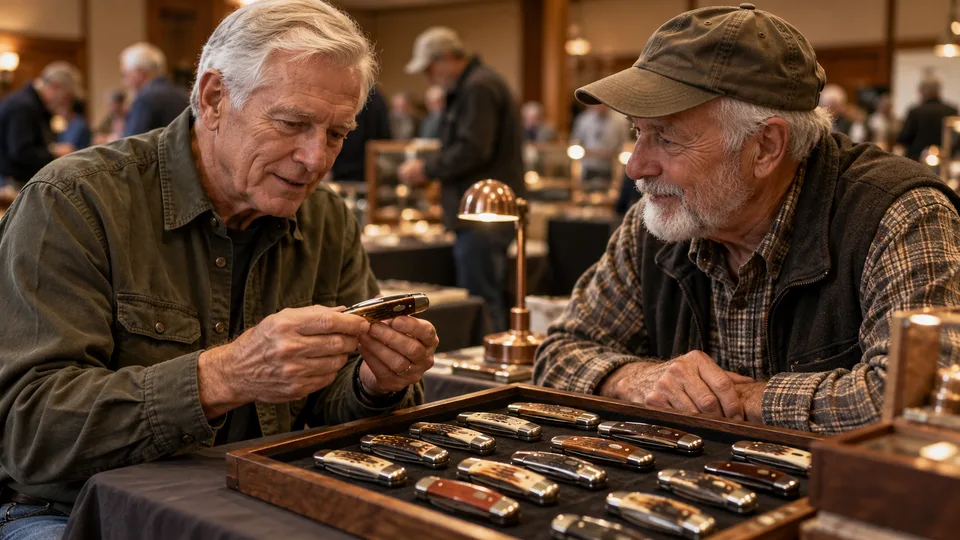
Knife shows beyond the biggest national shows: how to find smaller ones
How to find smaller, regional and specialty knife shows beyond the biggest names, and what to check about each organizer, venue and audience before you go.
Read guide : Knife shows beyond the biggest national shows: how to find smaller ones