
The weekend field guide
Selling knives: a custom knife show or a gun and knife show?
Choosing where to sell knives: how custom knife shows and gun and knife shows differ in audience, table terms and display, and what to ask the organizer first.
If your knives are handmade or collectible, a custom knife show usually puts you in front of buyers who came to meet makers, while a gun and knife show puts your table in a broader crowd where knives are one category among many. Neither is better in general. The right choice depends on your work, your prices and how you like to sell.
This guide compares the two kinds of event, lists what to ask an organizer before you apply, and walks through table planning, display, security and follow-up. It is general information and not legal advice. Seller registration, taxes and knife rules differ by place and by organizer, so confirm what applies to you. Our checklist for preparing to sell at a show covers the basics that apply to every vertical.
Two kinds of show, two kinds of room
A custom knife show is built around handmade and limited-run work. Visitors often arrive knowing what they want, such as a certain maker, a style, a steel or a kind of handle, and they come prepared to talk. Tables tend to be makers' own, and the atmosphere leans toward conversation, orders and collecting.
A gun and knife show is a general show. Knives share the floor with other merchandise, and visitors may be there for something else entirely and stop at your table on the way past. The crowd is broader and often larger, though not every visitor is a knife buyer. Many sellers do well at both by adjusting what they bring and how they present it.
What this means for your stock
At a custom show, buyers expect depth: several finished pieces, a few at different price levels, and the ability to take an order. At a broader show, a visible range of approachable pieces helps, since visitors are scanning quickly. Use the organizer's description and past photographs to judge which stock fits, rather than guessing.
Questions to ask the organizer before applying
Organizers publish different terms, so ask for them in writing and keep a copy. Useful questions are who may hold a table and whether the show is juried or first come, what may be sold and what is excluded, how tables are assigned and whether you can request a location, what a table includes and what costs extra, when setup starts and when you must be packed up, and what the cancellation and refund terms are.
Ask also about the audience: whether the show is mainly for the public or has a trade element, whether there are early-entry hours for dealers, and how the organizer promotes the show. You do not need numbers. A short, honest answer about who usually attends tells you most of what you need. Contact the organizer through the details on the show listing or the organizer's own website, which our organizer pages link to when known.
Planning your table and display
Confirm the table size, whether a cloth is provided, whether you may bring your own display cases or risers, and whether power is available. Lighting matters more than most sellers expect. Good light shows grind lines, handle materials and finish, and a dim hall makes quality hard to see.
Think about how buyers will look at your work. Open displays invite handling, which can be good for engagement but means more eyes on your inventory. Cases protect pieces but add a barrier. Many sellers use a mix: a few pieces in the open for people to hold and the rest in a case. Keep a clear space for conversation. Label each piece with a name or number, and keep your price information consistent so visitors do not have to ask for every price.
Security, handling and safety at your table
Ask how the venue secures the hall overnight on multi-day shows and whether sellers may leave stock in place or must pack it away. Do not assume a locked building means locked inventory. Plan to carry valuable pieces out, or ask whether lockable cases are allowed.
During the show, keep your attention on the table. Hand blades to buyers handle first, keep the point and edge away from them and from the aisle, and use a safe-handling routine that you repeat every time. Many shows have their own rules about how knives must be secured on display, so ask. Keep a first-aid kit within reach. Accidents are rare but a sharp object in a crowd is a good reason to be prepared.
Local requirements and legal questions
Seller registration, sales tax collection and rules about transferring knives can differ by state, city and venue. Some organizers ask for proof of registration or insurance, and some do not. Ask the organizer what they require, and check with the relevant local offices if you are unsure. Do not rely on another seller's advice, because their situation may differ from yours.
Rules on shipping knives, selling to younger buyers and carrying knives into and out of the venue can also differ. This guide is general information, not legal advice. A qualified adviser can tell you what applies to your business.
Pricing and payment
Decide your prices before the show and write them down. Consider whether each piece is priced to sell at the show or priced for the right buyer to find later, and be consistent about whether you negotiate. Many makers decline to discount, and that works well when the work is distinctive. Production pieces and used knives are more commonly discussed.
Decide how you will take payment and make sure you can handle each method at the venue, including a weak signal in a large hall. Keep a simple record of each sale with the date, piece and buyer's name if they are willing to give it, and give every buyer a receipt.
Make it easy to find you again
Many sales happen after the show. A buyer admires a piece, thinks it over and writes to you the next week. Bring a card or a sign-up sheet for future work, and give visitors an easy way to contact you. If you take orders, write down exactly what was agreed, including the timeline, and confirm it by message afterward.
After the show, send a short thank-you to people who left details, and note which pieces drew the most questions. Next time, that tells you what to bring more of. When you are ready to look for your next event, use the state pages and the listings' sources to compare dates, locations and organizers.
Frequently asked questions
How do I get a table at a knife show?
Contact the organizer through the details on the show listing or the organizer's own website and ask how tables are assigned and what they include.
Do I need a business license to sell knives at a show?
Requirements depend on where you live and where you sell. Ask the organizer and your local authorities. We cannot say what applies to you.
Can I sell at both custom shows and gun and knife shows?
Yes, if each organizer's terms allow it. Read each set of terms, because rules about what you may sell and how you display it differ between events.
Does a listing here mean the organizer is endorsed?
No. A listing means the show is in the directory with a cited source, not that we vouch for the organizer or the terms.
Can I sell knives to visitors who are not table holders?
Rules differ. Some organizers restrict trading on the show floor to table holders. Ask before you bring anything to sell or trade as a visitor.
Where do I find shows to apply to?
Start from the state pages and the organizer pages in this directory, then follow the links to the organizers' own websites for applications.
Put your plan into motion
Find your next show.
Use the listing's official source to confirm the latest dates, public hours and entry rules.
Find shows in this directoryKeep planning
More useful guides
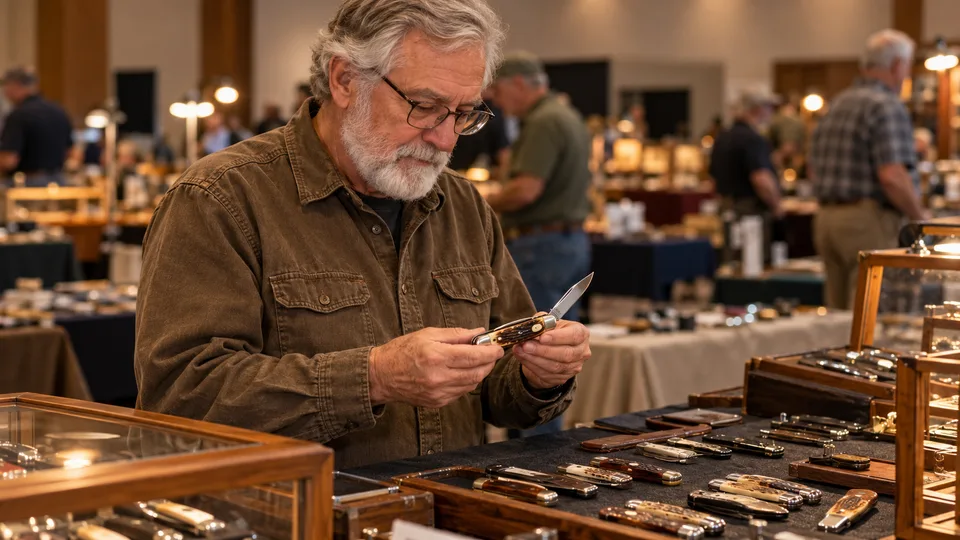
Planning your first show: a visitor checklist
Choose a show that suits your interests, confirm the practical details and keep the organizer’s information handy before you travel.
Read guide : Planning your first show: a visitor checklist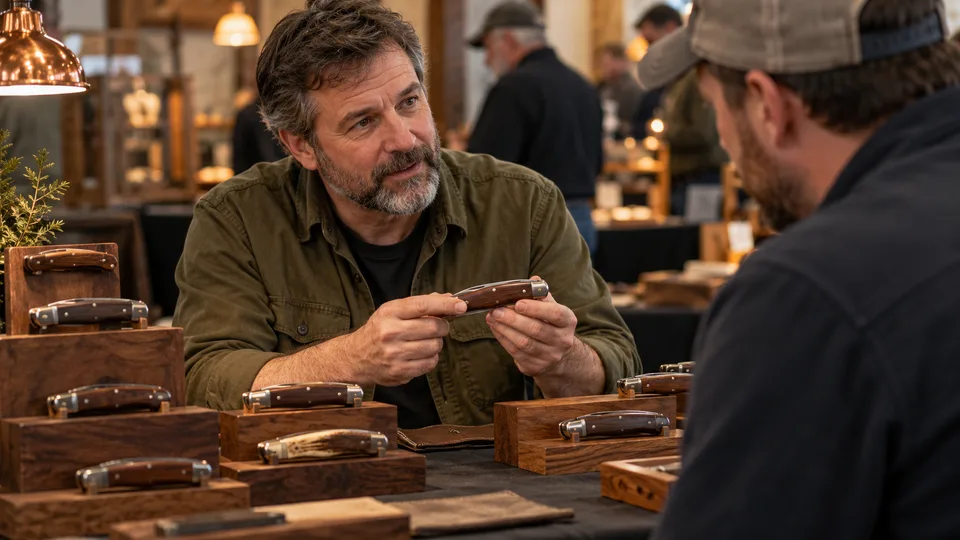
Preparing to sell at a knife show: a seller checklist
Confirm your seller application, table equipment, setup time and organizer terms before booking a place at a knife show.
Read guide : Preparing to sell at a knife show: a seller checklist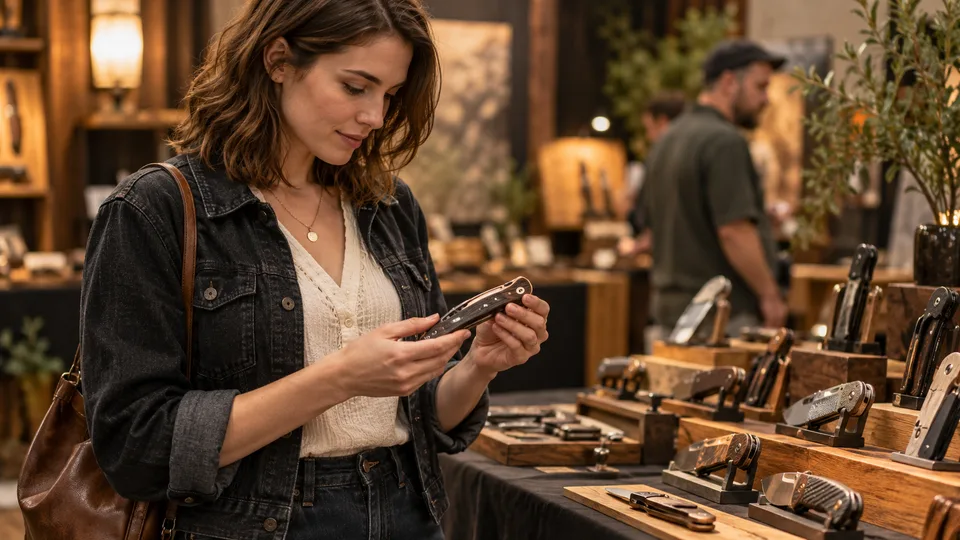
Your first knife show: buyer etiquette and what to expect
What to expect at your first knife show: how to browse, handle blades politely, ask good questions and pay, so makers and dealers want to talk with you.
Read guide : Your first knife show: buyer etiquette and what to expect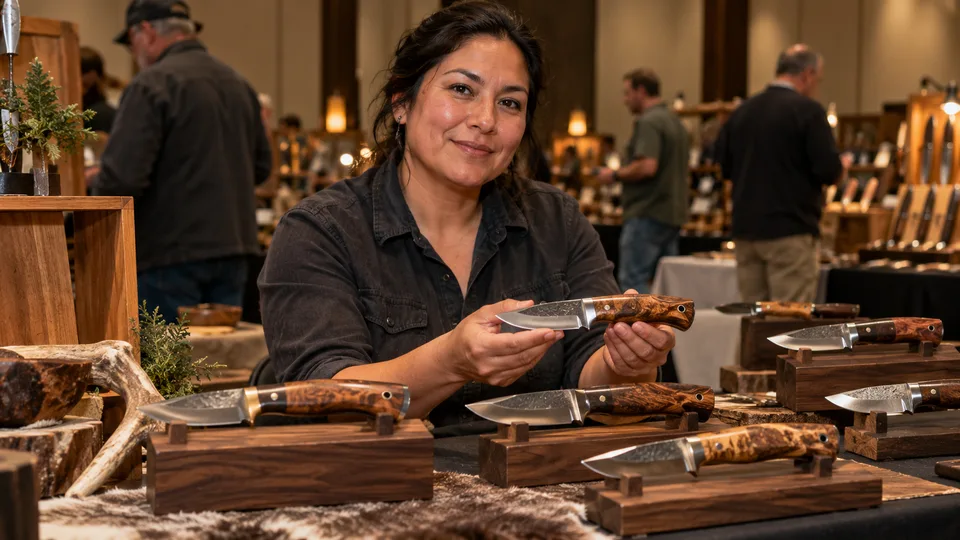
National or regional knife show: how to choose
Large national knife show or a smaller regional one? Compare travel, crowds, variety and table availability to decide which show suits you as a buyer or a maker.
Read guide : National or regional knife show: how to choose
Knife shows beyond the biggest national shows: how to find smaller ones
How to find smaller, regional and specialty knife shows beyond the biggest names, and what to check about each organizer, venue and audience before you go.
Read guide : Knife shows beyond the biggest national shows: how to find smaller ones