
The weekend field guide
Knife shows beyond the biggest national shows: how to find smaller ones
How to find smaller, regional and specialty knife shows beyond the biggest names, and what to check about each organizer, venue and audience before you go.
You can find smaller knife shows by browsing state listings, checking organizer pages and following the source links to each organizer's own site. Specialty and regional events run all year, and they are often easier to reach, less crowded and friendlier to newcomers, both for buyers and for makers who want to try a table.
This guide explains why smaller shows are worth your time, how to tell what kind of show you are looking at, how to check an organizer, and how to compare shows without relying on a headline name. It makes no claims about any particular event. Always confirm dates, venue and rules with the organizer.
Why look beyond the headline events
The best-known shows get the most attention, but many regional and specialty shows run through the year. They are often held in community halls, fairgrounds, hotels or expo centers, and they serve the knife community close to home.
For a buyer, a smaller show can mean time to handle pieces, talk about steels and finishes and learn without feeling rushed. For a maker, it can mean an accessible first table, a chance to test your display and a community that knows you by name by the third visit. Smaller does not mean lesser. It means different, and the difference is often what you want.
Understand the types of show
Shows differ in focus. Some centre on custom and handmade work, and their tables are mostly makers. Some centre on collectible and antique knives, where the dealers carry older pieces and the buyers are mostly collectors. Some sit inside larger gun and knife events, where knives share the floor with other merchandise. Some are swap meets or trade days with a casual atmosphere.
The listing name and description tell you the focus. This directory groups shows by state so you can look close to home, and some sites in the network also split show types into their own pages. When a description is unclear, the organizer's website usually says more, and so will a short message to the organizer.
Check the organizer, not just the name
Open the organizer page from a listing and then follow the link to the organizer's own website. Look at how long they appear to have run events, what they say about rules, tables and admission, and whether they publish a schedule for future shows. A clear, specific website is a good sign. A thin or outdated one means you should ask more questions before you travel.
A listing here is not an endorsement. We cite the source of each listing so you can judge it yourself, and how listings are verified explains what that means. Browse the organizers to see who runs events near you.
Compare what matters to you
Make a short list and compare the same points for each show: date, distance, admission, parking, public hours, whether tables are offered to sellers, the focus of the show and any rules you would need to follow. The list will show you quickly which events fit your schedule and your interests.
For buyers
If you are buying, think about whether you want makers, dealers or a mix. A custom-focused show suits someone who wants new, handmade work. A collectible-focused show suits someone hunting older or discontinued pieces.
For makers and dealers
If you plan to sell, ask the organizer how tables are assigned, what they include and what the audience tends to be. Smaller events can welcome new sellers, but policies differ, so ask.
Build a habit of checking the calendar
Many smaller shows repeat on a similar schedule each year, so once you find a show you like, watch for its next dates. Subscribe to the calendar feed on your state page if you want updates, and look at the this-weekend page when you have a free day. Add the show to your own calendar once you have confirmed the date with the organizer.
Do not rely on a single source for plans that involve travel or a hotel. If the organizer's website and the listing disagree, trust the organizer and let us know.
Help keep the directory accurate
If a date, venue or detail looks wrong, use the correction link on the listing with a public source so the operator can review it. If you know of a show that is missing, you can submit a show. Corrections from people who attend are among the most useful, because they see what the web page does not.
Frequently asked questions
How do I find smaller knife shows?
Browse the state pages and the this-weekend page, then open each listing's source to read the organizer's own description.
Are smaller shows worth the trip?
That depends on what you want to see. Check the listing and the organizer's own page, and compare the trip with what the show offers.
Do smaller shows welcome new sellers?
Policies differ from organizer to organizer. Ask how tables are assigned and what the terms are.
Can I subscribe to updates?
Each state page offers a calendar feed you can subscribe to, so you can see new listings in your own calendar app.
How do I tell what kind of show it is?
Read the name and description on the listing, then check the organizer's website. If it is still unclear, ask the organizer.
Who runs this directory?
See the About page for the operator and the editorial standards page for how listings are checked.
Put your plan into motion
Find your next show.
Use the listing's official source to confirm the latest dates, public hours and entry rules.
Find shows in this directoryKeep planning
More useful guides
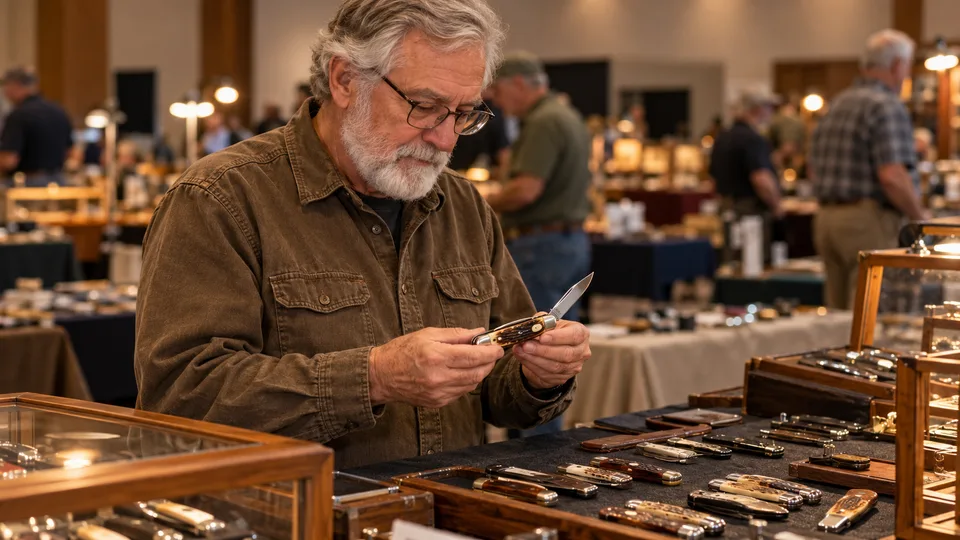
Planning your first show: a visitor checklist
Choose a show that suits your interests, confirm the practical details and keep the organizer’s information handy before you travel.
Read guide : Planning your first show: a visitor checklist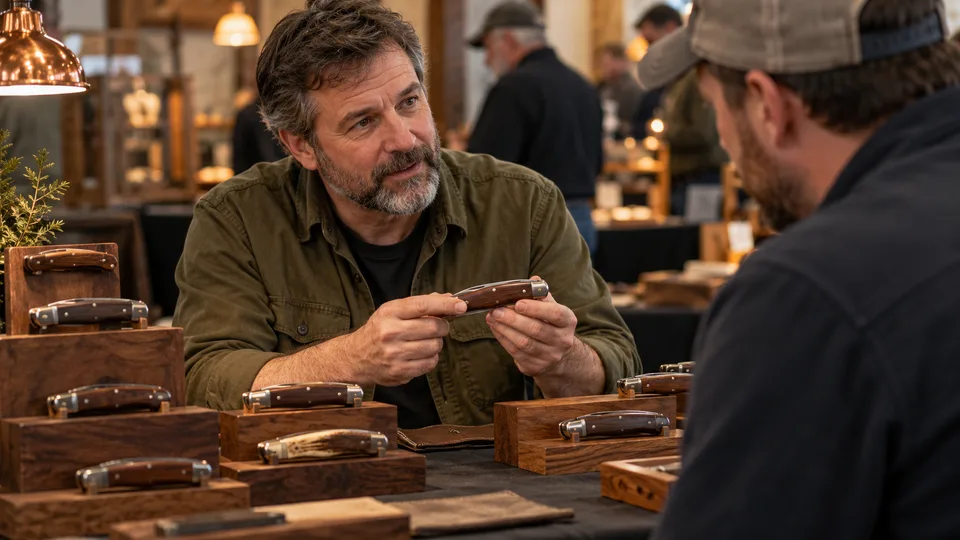
Preparing to sell at a knife show: a seller checklist
Confirm your seller application, table equipment, setup time and organizer terms before booking a place at a knife show.
Read guide : Preparing to sell at a knife show: a seller checklist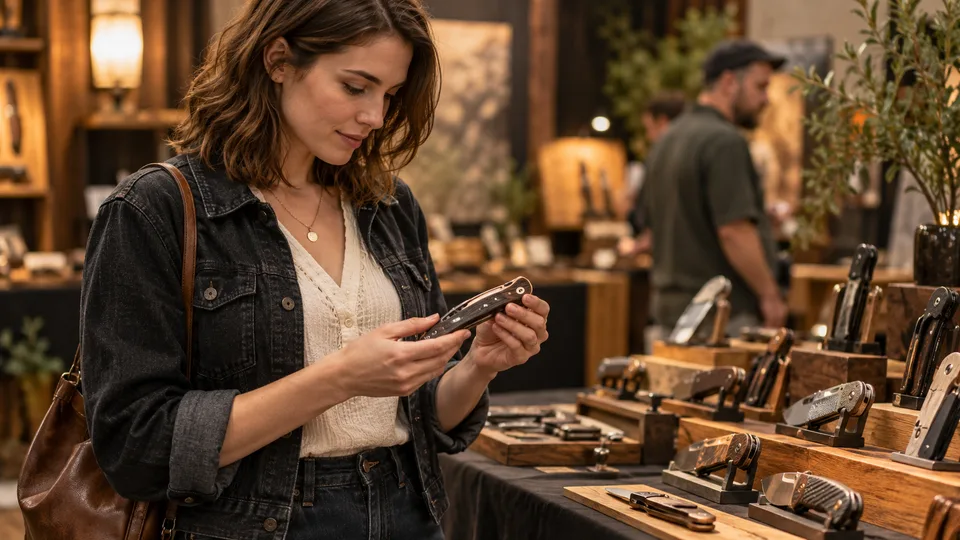
Your first knife show: buyer etiquette and what to expect
What to expect at your first knife show: how to browse, handle blades politely, ask good questions and pay, so makers and dealers want to talk with you.
Read guide : Your first knife show: buyer etiquette and what to expect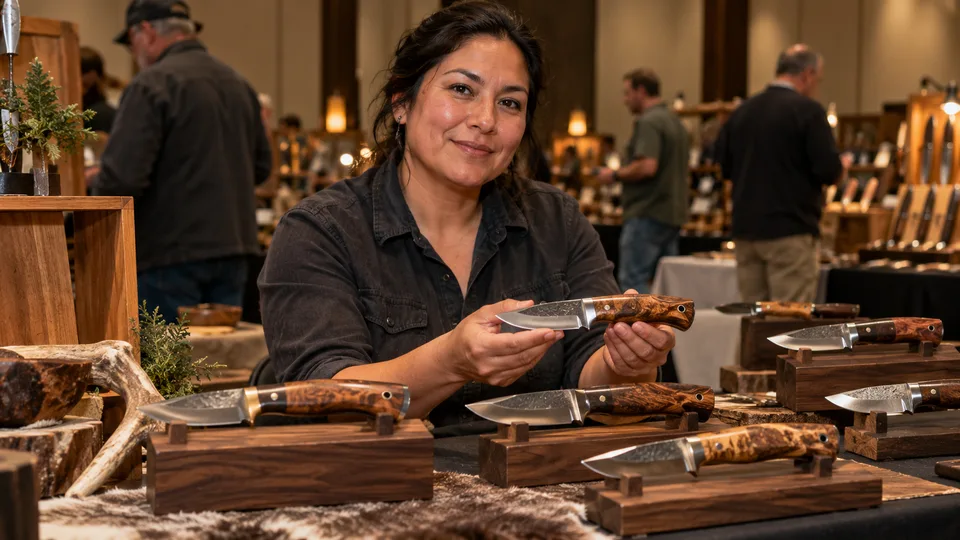
Selling knives: a custom knife show or a gun and knife show?
Choosing where to sell knives: how custom knife shows and gun and knife shows differ in audience, table terms and display, and what to ask the organizer first.
Read guide : Selling knives: a custom knife show or a gun and knife show?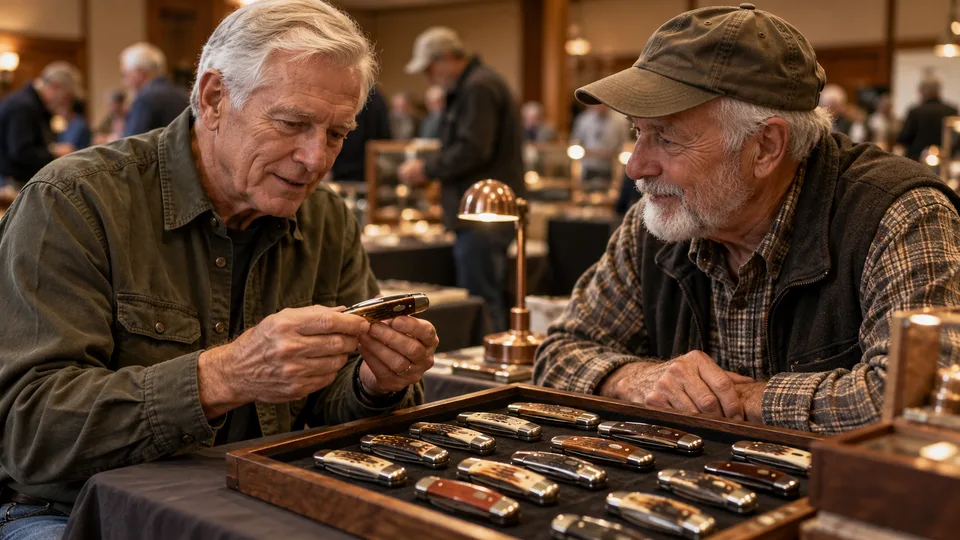
National or regional knife show: how to choose
Large national knife show or a smaller regional one? Compare travel, crowds, variety and table availability to decide which show suits you as a buyer or a maker.
Read guide : National or regional knife show: how to choose